It has a male predominance, with a ratio of 3:1 male to female. Pectus excavatum, also known as concave chest or funnel chest, is a deformity of your child's chest wall.

Riley Byrne Is A Personal Trainer And Online Coach Specialised In Helping People With Pectus Excavatum Improve Thei Pectus Excavatum Tight Muscles Tight Quads
Pectus excavatum is where the sternum and ribs develop abnormally, causing the sternum to drop inward toward the spine and produce a caved in or sunken appearance of the.

Pectus excavatum baby pictures. When the infant is at rest, a small depression can be seen over the sternal area. It is caused by an overgrowth of cartilage as a baby's rib cage and breastbone (sternum) develop before birth. You can see it fairly well in these pictures.
Pectus excavatum, pectus carinatum and other chest wall anomalies. Because of the deep depression, the lower ribs can stick out and give the appearance of a potbelly in. Pectus excavatum affects about one in 1,000 children and is four times as common in boys as in girls.
This causes a depression in the chest that can range from mild to severe. Commonly called funnel chest, pectus excavatum is a depression caused when the sternum (breastbone) is abnormally pushed inward. Chest pain related to abnormal bone and cartilage growth.
2 boys (5 yo, 1 yo) 7 years ago. Before you whip out your dictionaries to look up this term, i will clarify: Pectus excavatum is a congenital deformity of the chest wall that causes several ribs and the breastbone (sternum) to grow in an inward direction.
The deformity can result in increased pressure on the heart and lungs during the growing period. Pectus excavatum is a sunken spot in the center of a child's chest. It is found in one in 400 live births.
The cartilage pushes the breastbone (sternum. (pectus excavatum is more common in males) who had the nuss procedure done at 15. The depression in the chest is due to abnormal growth of the cartilage that attaches the sternum to the ribs.
Also known as funnel chest, pectus excavatum is most commonly an isolated congenital abnormality that results in no functional impairment. Pectus excavatum is a condition in which, instead of being level with the ribs, the breastbone (sternum) is sunken so that the middle of the chest looks caved in. A depression of the sternal bone.
My 7 month baby has pectus excavatum (sunken chest) close. Studies say that 1 out of 500 children struggle with this. Pectus excavatum.say that 3 times fast.
See more ideas about pectus excavatum, heart and lungs, cody miller. The next photo shows how the appearance changes with inspiration while crying. Both or just one side of the breastbone may be affected.
Pe represents a cosmetical concern for almost the patients affected, but in most cases, it. Also known as sunken chest or funnel chest, pectus excavatum can be corrected with the minimally invasive surgical technique called the nuss. Pectus excavatum is caused by the abnormal growth in the chest of the connective tissues (cartilage) that attach the breastbone (sternum) to the ribs.
It occurs mostly in boys and frequently more members in a family are affected. Asymmetrical shapes of the deformity are more common in older patients, and not babies. While most patients do not have symptoms, those with severe.
Recent studies revealed that pectus excavatum in babies may be genetic. Pectus excavatum can range from mild to severe, and your child may or may not have symptoms related to the heart or lungs. Many of these deformities are frequently noticed during puberty but may present much earlier in childhood.
With pectus excavatum, the sternum goes inward to form a depression in the chest. The breastbone, or sternum, and some of the ribs grow abnormally, causing a depression in the middle of the chest. The cartilage is extra long and pushes the breastbone back into the body.
Gracelin has a pectus excavatum. It is often present at birth but. The condition is not always noticeable at birth, but is.
He also has a couple of image issues and hates being topless around anyone other than me. She was around 4 months old, and in the bathtub. The condition may not be noticed at birth.
(i love the belly button picture btw) i remember the first time i noticed it. I noticed the water was pooling in it, and i was worried she was having retractions. A genetic predisposition to pectus excavatum has never been defined, although there.
The condition affects more boys than girls. Baby looks very similar to u/s pictures done at 20 weeks when we found out about his enhanced. The deformity is mostly cosmetic, but in some cases can cause problems with the heart and lungs, calling for surgical correction.
Usually, the ribs and sternum go outward at the front of the chest. It is the most common congenital deformity of the anterior chest wall and it produces a caved in appearance of the chest. This causes a depression of the sternum and the chest has a sunken in or funnel chest appearance.
Pectus excavatum, a deformity of the sternum and ribs caused by an unbalanced costochondral hypertrophy, is a congenital abnormality, with a prevalence of 1 per 1000 patients; Pectus excavatum is a congenital chest wall deformity that is caused by growth abnormality of the cartilage that connects the ribs to the breastbone (sternum). Pectus excavatum is the most common chest wall deformity, occurring in about one in 500 children and accounting for more than 90 percent of congenital chest wall deformities.
A worsening of symptoms as the child grows. Pectus excavatum is an abnormal development of the rib cage in which the sternum (breastbone) grows inward, resulting in a noticeable and sometimes severe indentation of the chest wall.

Dada Cekung Siang Bunda2sya Baru Jd Moms Nih Mau Tanya

Happy Heart Story Our Pectus Excavatum Experience Pectus Excavatum Happy Heart Health Inspiration

Kelainan Dada Cekung Berbahaya Kah Hbtkviorg

Mengenal Pectus Excavatum Beserta Penyebab Dan Cara Mengobatinya

Mengenal Pectus Excavatum Beserta Penyebab Dan Cara Mengobatinya

Help My Babys Chest Is Caving In Pectus Excavatum Dr Paul - Youtube

Pin On Kegunaan Esensial Oil

Nuss Procedure For Pectus Excavatum Pectus Excavatum Rare Disease Awareness
Mc Chest Wall Deformity Ka Funnel Chest Mostly Asymptomatic Cvs Dysfuction Very Rare As With Scoliosis Pectus Excavatum Chest Adolescence


Fix Pectus Without Surgery Pectus Excavatum Back Strengthening Exercises Yoga Relief

Penyebab Terjadinya Pectus Excavatum Alias Dada Cekung Orami

Mengenal Pectus Excavatum Beserta Penyebab Dan Cara Mengobatinya

Penyebab Terjadinya Pectus Excavatum Alias Dada Cekung Orami

Penyebab Terjadinya Pectus Excavatum Alias Dada Cekung Orami
3 Steps For Fixing Flared Ribs Without Taking A Surgery Highly Successful Method That Is Proven For Repairing Flared Ribs Pectus Excavatum Ribs Ribbed Flares

Pectus Excavatum My Tips For Organizing Surgery And Finding An Insurance Cover - Hubpages
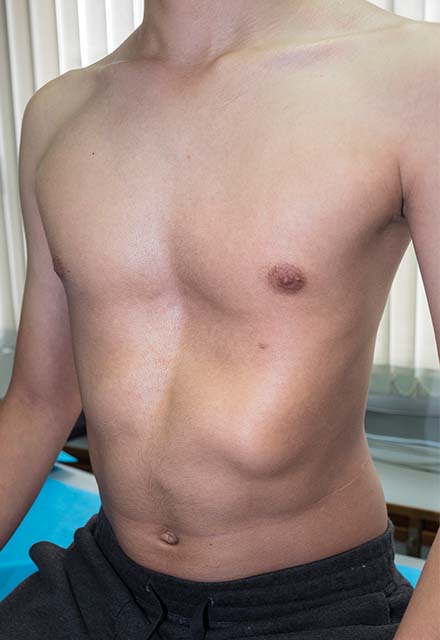
Pectus Excavatum Johns Hopkins Childrens Center

Postnatal Photograph Of The Child With Pectus Excavatum Download Scientific Diagram
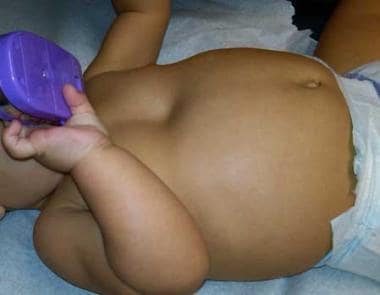
Nuss Procedure For Pectus Excavatum Background Indications Contraindications
Pectus Excavatum Baby Pictures. There are any Pectus Excavatum Baby Pictures in here.